Services
LET’S CONNECT TO LAUNCH YOUR NEXT PROJECTS.
Table of Contents
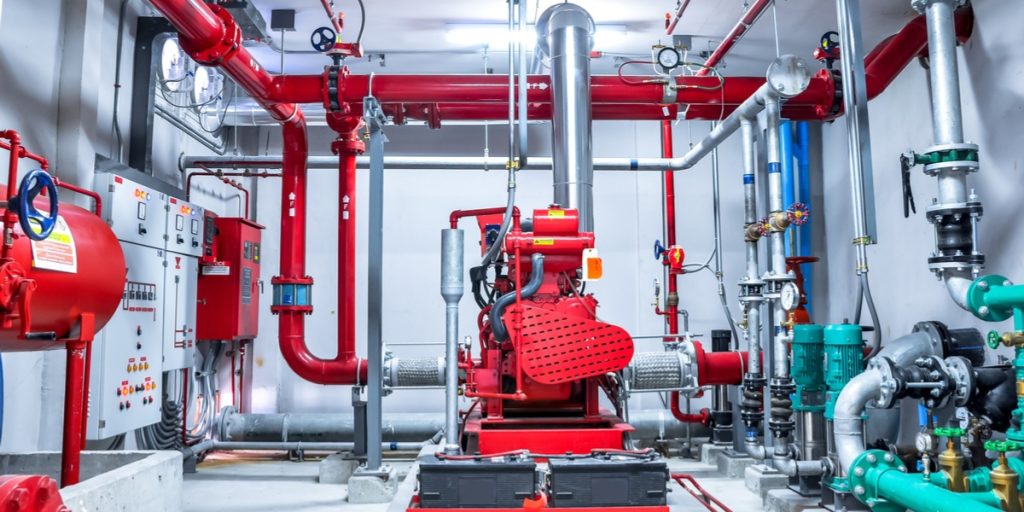
Protecting People, Property and Building Operations
Fire protection is more than a statutory requirement. It is an essential part of how a building protects its occupants, assets and operations during an emergency.
Stratum provides Fire Protection & Life Safety engineering consultancy for residential, commercial, hospitality, healthcare, data centre, institutional and industrial developments. Our capabilities cover fire suppression, detection, alarm, evacuation and emergency communication systems, coordinated with the architecture, structure and other building services.
Life Safety Starts with the Right Planning
Every building presents a different fire and life-safety challenge. Building height, occupancy, use, evacuation requirements, equipment, fire risk and applicable standards all influence how protection systems need to be planned.
Our engineers consider these requirements from the design stage, developing fire protection systems as an integral part of the building rather than treating them as an addition later in the project.
The focus is on creating coordinated systems that support early detection, effective suppression and clear emergency communication while responding to the specific requirements of the development.
What We Offer
Stratum’s Fire Protection & Life Safety capabilities cover active fire protection, detection, emergency communication and supporting security systems.
Fire Suppression Systems
- Hydrant Systems
- Sprinkler Systems
- Water Mist Fire Extinguishing Systems
- Wet Riser Systems
- Dry Riser Systems
- Clean Agent / Gas-Based Fire Suppression Systems
Fire Detection & Alarm
- Fire Detection Systems
- Fire Alarm Systems
- Alarm & Notification Systems
Emergency Communication
- Voice Evacuation Systems
- Public Address Systems
- Emergency Announcement Systems
Specialised Fire Protection
- Clean Agent Suppression
- Gas-Based Suppression
- Fire Protection for Critical Areas
- Fire Protection for Data Centres and Sensitive Environments
Security & Access Systems
- CCTV Surveillance Systems
- Access Control Systems
Codes & Standards
Where required by the project, fire protection systems are developed with reference to applicable requirements, including:
- NFPA Standards
- FM Global Requirements
- Applicable International Standards
Protection Designed Around the Building
Fire protection systems interact with almost every part of a development.
Sprinkler and hydrant networks require coordinated routing. Fire detection devices need to work with architectural layouts. Risers require dedicated spaces. Suppression systems need to respond to the nature of the area being protected, while evacuation and emergency communication systems must support the wider life-safety strategy.
Our Fire Protection team coordinates these requirements with architects, Structural, HVAC, Electrical and PHE teams as the design develops.
This integrated approach helps address routing, equipment locations, service spaces and interdisciplinary interfaces before construction begins.
From Fire Strategy to Coordinated Systems
Our Fire Protection Engineering Process
01. Understand
Review the building type, occupancy, architectural planning, project requirements and applicable fire protection considerations.
02. Plan
Establish the appropriate fire suppression, detection, alarm and emergency communication requirements.
03. Design
Develop system layouts, equipment requirements and engineering details for the required fire and life-safety systems.
04. Coordinate
Coordinate Fire Protection systems with architecture, structure and other MEP disciplines.
05. Document
Prepare coordinated drawings, specifications, BOQs, tender documentation and GFC information as required.
06. Support Execution
Provide technical coordination and engineering support during construction based on the agreed project scope.
07. Commission
Support final execution and commissioning where included within the project scope.
Support final execution and commissioning where included within the project scope.
Fire Protection Across Different Building Environments
Different buildings bring different levels of risk, occupancy and operational complexity.
High-Rise & Residential
Fire protection systems for residential towers and large developments, including hydrants, sprinklers, risers, detection and emergency communication.
Commercial & IT
Integrated fire protection and life-safety systems for office buildings, commercial developments and technology campuses.
Data Centres
Specialized protection for critical environments where conventional water-based suppression may not be appropriate for every space, including clean-agent systems where required.
Healthcare
Fire detection, suppression and emergency communication systems for healthcare environments with complex occupancy and operational requirements.
Hospitality
Coordinated fire and life-safety systems for guest areas, public spaces, service areas and back-of-house operations.
Industrial & Institutional
Fire protection solutions developed around the functional, occupancy and project requirements of industrial and institutional facilities.
Why Stratum for Fire Protection & Life Safety?
Integrated Fire Protection Capability
Our scope brings suppression, detection, alarm, evacuation and emergency communication systems together within a coordinated engineering approach.
Multidisciplinary Coordination
Fire Protection is coordinated with Structural, Electrical, HVAC and PHE disciplines to address interfaces before construction.
Experience Across Complex Developments
Our team's project exposure extends across residential, commercial, healthcare, hospitality, data centre, industrial and institutional environments.
Project-Specific Engineering
Fire protection requirements are developed in relation to the building type, occupancy, operational requirements and agreed project standards.
International Standards Exposure
The company's stated capability includes projects requiring FM Global, NFPA and other international fire protection standards.
Support Through Execution
Engineering involvement can continue through documentation, technical coordination, execution monitoring and commissioning support.
Let's Talk About Life Safety for Your Project
Whether you are planning a high-rise development, commercial campus, hospital, hotel, data centre, institutional building or industrial facility, Fire Protection & Life Safety needs to be considered from the earliest stages of design.
Talk to Stratum about your project’s fire protection requirements and the engineering support needed from design through execution.